


News
2025年度 第5回 定例研究会「Modern Uniform, Medieval Mindset: Feudal Culture and the Thai Military's Business Empire」Puangthong R. Pawakapan 特任教授 (着任研究会)が開催されました
報告
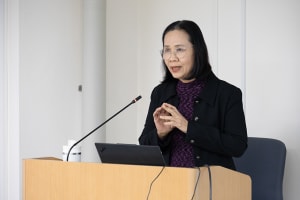
2025年11月22日14時より、東文研セミナー「Modern Uniform, Medieval Mindset: Feudal Culture and the Thai Military's Business Empire」が開催され、チュラーロンコーン大学所属で現在東洋文化研究所に特任教授として滞在中のプアントン・パワカパン教授が報告を行った。
本発表においてプアントン特任教授は、タイ軍のビジネス運営の詳細な分析を提示した。その特徴は、ネオ封建主義、特権、そして監察への組織的な抵抗にあるという。軍、特に陸軍は、完全な財務報告の提出を一貫して拒否し、「国家のための比類なき犠牲」や「国家安全保障」を理由に透明性と説明責任の欠如を正当化してきた。核心的な問題は、「権力の分立・富の分立」ともいえる軍内部の分散型構造にあり、5つの主要部門が中央の財務監督なしに、それぞれ独立したビジネス王国として運営されている点にある。この構造は歴史的なサクディナー制度を想起させ、市民側からの統制や均衡を阻み、エリートたちが各自の領地で富を蓄積し、不処罰特権を享受することを可能にしている。
軍はまた、広範な商業ポートフォリオを保持し、しばしば国有地および福利厚生に関する規定に違反している。軍は国家最大の国有地保有者でありながら、その膨大な資源を軍事目的以外の商業利用やエリートの娯楽(61のゴルフコースなど)に転用している。さらに軍は、毎年徴集される義務兵を「無償労働」として利用したり、ビジネス運営や将校の身の回りの雑務を担わせたりしており、これは軍自身が掲げる「国民統合」の物語をも損なうものである。
プアントン教授は、憲法や国民ではなく、軍内部の忠誠を第一とするこうした文化が、軍の改革、専門職化、さらには民主化にとって重大な障害となっていると結論づけた。
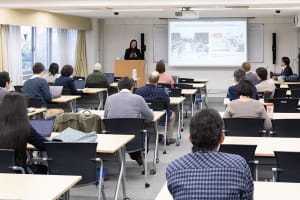
当日の様子

開催情報
日時: 2025年11月20日(木)14時〜16時(日本時間)
会場:東京大学東洋文化研究所大会議室(3F)、オンライン(Zoom)
発表者:Puangthong R. Pawakapan(Department of International Relations, Chulalongkorn University; Visiting Professor at Institute for Advanced Studies on Asia, University of Tokyo)
題目:Modern Uniform, Medieval Mindset: Feudal Culture and the Thai Military's Business Empire
司会・コメンテーター: 佐藤 仁(東京大学東洋文化研究所・教授)
使用言語:英語
要旨:
With numerous coups and long periods of direct rule, the Thai military's power is deeply embedded in the infrastructure of the state and complex royalist networks. While security studies explain military power through the framework of civil-military relations, many authoritarian regimes do not adhere to such Western notions of civilian supremacy. They operate on their own distinct concepts of power and professionalism. This paper argues that the Thai military has been profoundly shaped by Thai feudal, or sakdina, culture, which fundamentally underpins its internal power relations and defines its duties. This patrimonial sakdina ethos is most evident in the business operations of the various armed forces branches. Much like feudal lords, they exploit state land and manpower under their possession. Violations of rules and acts of self-enrichment are often met with a self-righteous sense of entitlement to privilege and immunity from accountability. This military's neo-feudal system is made possible by its omnipotent power in Thai politics. Focusing specifically on its business operations, I contend that the sakdina concept illuminates the Thai military's politico-economic culture with exceptional clarity. A nuanced understanding of this medieval ethos operating within the modern Thai military is essential for anyone seeking to advance meaningful and lasting military reform.
登録種別:研究活動記録
登録日時:WedNov2613:50:092025
登録者 :Puangthong・キム・野久保・多田
掲載期間:20251128 - 20260228
当日期間:20251128 - 20251128
