



News
東文研セミナー「帝国の暗号:非ムスリムの人口比に応じたオスマン国家機構参入」が開催されました
報告
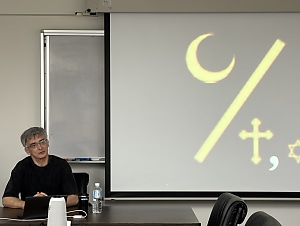
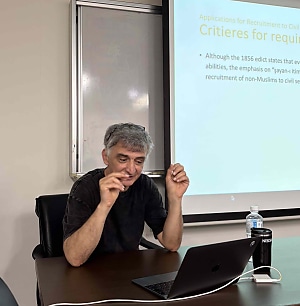
2026年4月14日に東文研セミナー「帝国の暗号:非ムスリムの人口比に応じたオスマン国家機構参入」が開催された。本セミナーでは、東文研訪問研究員のフアト・デュンダル氏(TOBB経済技術大学、トルコ)が、現在取り組んでいる研究プロジェクトについて講演した。氏は、新発見の文書資料に基づき、末期オスマン帝国において非ムスリム官吏の人口比に応じた採用が試みられたことを論じた。質疑応答においては、非ムスリムを人口比に応じて採用するという1896年の「意見書」が、いかなる意味で適用されたのかという問題をめぐって熱い議論が交わされた。会場には6名、オンラインでは15名の参加があった。
当日の様子
開催情報
日時:2026年4月14日(火) 17:00〜18:45
会場:東京大学東洋文化研究所3階第1会議室(304)/Zoom
講師:Fuat Dündar(TOBB経済技術大学)
題目:The Empire’s Code: The Participation of Non-Muslims in the Ottoman State Apparatus in Proportion to Their Population
司会:秋葉淳(東洋文化研究所)
講演要旨: The 19th-century Ottoman (Tanzimat) reforms transformed the sovereignty system by abolishing the distinction between askeri (ruler) and reaya (ruled), paving the way for the participation of the ‘people’ in governance. What made this process lengthy and problematic was the question of non-Muslim participation in the Ottoman state apparatus of a Sunni Islamic empire. Determining which state bodies (administrative, quasi-political, military, and political) non-Muslims could join, and according to which criteria (ability, quota, or population ratio), were the two main issues to resolve. This presentation will examine the application of the population ratio rule (nisbet kaidesi), long proposed by the Great Powers and imposed after 1878, as it was extended to the entire empire after 1895. The Ottoman population ratio rule, introduced to prevent social and religious conflict, differed from other power-sharing arrangements in that it was applied to lower-level, non-authoritative positions and in limited proportions.
登録種別:研究活動記録
登録日時:ThuJul210:23:032026
登録者 :秋葉・神林
掲載期間:20260702 - 20261001
当日期間:20260414 - 20260414
